Common Mistakes When Filling a Fountain Pen from a Bottle (and How to Fix Them)
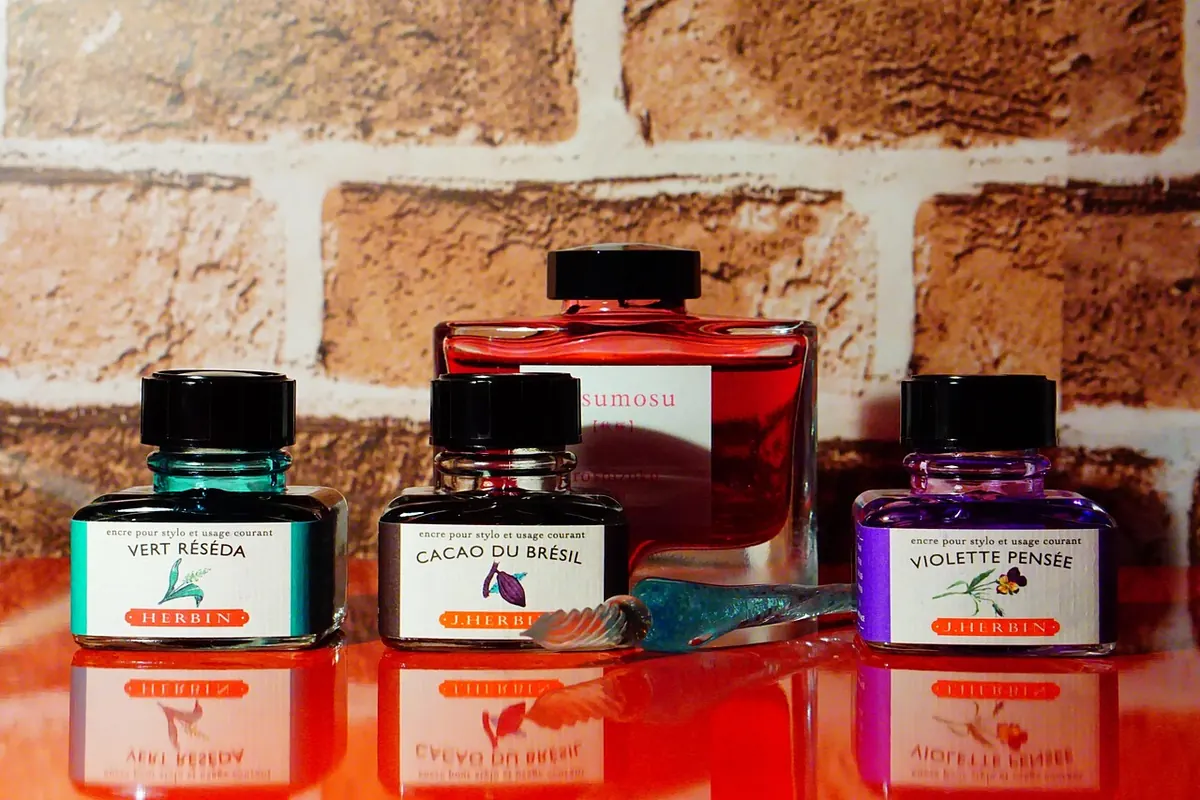
There is something deeply satisfying about filling a fountain pen from a bottle: the weight of the glass, the smell of the ink, the slow turn of the piston. It is also the moment when things most often go wrong. A cap lined with ink. A converter that refuses to fill past halfway. Fingers that look as though you have been gutting fish.
None of it is mysterious. Nearly every filling mishap comes down to one of four things: too much ink, too much air, too little care, or an ink that behaves differently from the last one. Sort those out and the whole business becomes routine — quick, clean and quietly enjoyable.
Overfilling: why a full pen is not a happy pen
The instinct, when the bottle is finally open, is to draw up as much ink as the pen will hold. Then you cap it, tuck it into a shirt pocket, and by mid-morning the inside of the cap is slick and the section is weeping into your fingers.
A fountain pen does not need to be full. It needs headspace. A little air in the reservoir lets the pressure inside the pen equalise with the pressure outside it. Fill the chamber to the brim and the first small rise in temperature — a warm hand, a coat pocket, a stuffy train — pushes ink out through the feed. That is your drip.
The fix takes ten seconds. After filling, keep the nib over the bottle mouth and push two or three drops back out. Then, with the nib still clear of the ink, wind the piston the other way to draw air up through the feed and clear the channels. Lift out, wipe the nib and section with a soft cloth, and cap it. A converter-filled pen that has been treated this way will write cleanly for days; one that has been filled to the very top will not.
Air bubbles, and the pen that will not fill
If your pen only ever takes half a fill, the ink is probably not the problem — the depth of the dip is. A fountain pen breathes through the breather hole near the base of the nib, and it draws ink through the slit. Put only the tip into the bottle and you are sucking air for most of the stroke.
Dip so that the breather hole is comfortably submerged, which usually means the whole nib and a sliver of the section. Do not jam the pen against the bottom of the bottle; that stirs up sediment and blocks the feed.
Getting a proper fill from a converter
- Lay a paper towel under the bottle and open it somewhere you are happy to spill.
- Wind the converter piston fully down, towards the nib, so the chamber is empty.
- Dip the nib deep enough to cover the breather hole.
- Draw the piston up slowly. Fast strokes whip the ink into foam, and foam is mostly air.
- Lift the nib clear and expel two or three drops back into the bottle.
- Turn the nib upwards and wind the piston back to pull air through the feed.
- Wipe, cap, and write a few lines to settle the flow before putting the pen away.
If bubbles still cling to the walls of the converter, tap the side gently with a fingernail or flick the barrel with the nib pointing up. Bottles that have been shaken need a minute to settle before you dip anything into them.
Inky fingers: the small habits that prevent them
Ink on the hands is rarely caused by the filling itself. It comes from what happens immediately afterwards: gripping the section while you wipe the nib, fumbling a wet converter, or screwing a cap onto a threaded barrel that has ink in the threads.
- Work over a paper towel or an old saucer, never over a keyboard or a pale carpet.
- Hold the bottle steady with one hand and the pen with the other; a bottle that shifts mid-stroke is a spill waiting to happen.
- Wipe from the base of the nib towards the tip, not back and forth, so you are not dragging ink onto the section.
- Keep a slightly damp cloth nearby for the section and threads, and a dry one for the nib.
- Use an old soft cloth rather than kitchen tissue, which sheds fibres that catch in the slit.
- Fill before you dress for anything important.
If a little ink does end up on your skin, soap and warm water will lift most of it, and the rest fades within a day or two. Scrubbing with solvents or bleach is not worth the damage to your hands. Some pigmented and permanent inks cling longer; that is normal. If ink gets into your eye, rinse it thoroughly with clean water and seek professional advice.
Nib creep: the ink that wanders
Nib creep is the thin film of ink that creeps from the slit and breather hole up over the top of the nib. It looks alarming the first time you see it, but for most pens it is purely cosmetic — the ink is sitting on the metal, not leaking out of it.
It happens more with wet, heavily saturated inks, with very fine slits, and with pens that run warm in a pocket or bag. Condensation inside a tightly sealed cap does the same job.
What actually helps
Wipe the nib with a barely damp cloth, store the pen nib-up or flat rather than nib-down, and avoid overfilling. If creep is constant, try a drier ink or a different paper — some coated papers encourage it. A loose nib or feed, or a converter that is not seated firmly, will also cause ink to pool where it should not. If you find ink pooling in the cap or dripping when you uncap, check the converter seal and the nib seating before blaming the ink.
Between fills: flushing, storage and the patience problem
Filling mistakes are often really cleaning mistakes in disguise. If you switch inks without flushing, the old ink mixes with the new one, the flow turns erratic and the colour is never quite what you expected. If you leave a pigmented or iron-gall ink to dry in a neglected pen for months, no filling technique will save it.
Flush with cool water whenever you change ink, and every few fills even when you do not. Dry the nib and feed by wrapping them in a paper towel and shaking the pen down gently, or leave the pen nib-down on the towel for an hour. Store unused pens clean and empty rather than half-full of an ink you may not return to.
A calm five-minute routine worth learning
Put everything out first: bottle, paper towel, cloth, and somewhere to rest a wet section. Work slowly, keep the nib low in the bottle, and stop filling short of the top. Push a few drops back, clear the feed, wipe once from base to tip, and write a line or two before you cap the pen. Five minutes, no drama, no stained fingers — and a pen that starts first time tomorrow morning.
Photo: yu62ballena / Pixabay