Back to School Stationery Checklist for UK Students: Pens, Paper and Inks
The last week of the summer holidays is when stationery suddenly becomes urgent. Shops fill with multipacks, everything looks essential, and it is entirely possible to spend a small fortune on things that will sit at the bottom of a bag until next July. The trick is to buy in two layers: a small, reliable day-one kit, and everything else once you know what your timetable actually asks of you.
What follows is a working kit list for secondary school, sixth form, college and university — what to buy, what to skip, and the small details that make a difference by October.
Start with the day-one kit
This is the handful of things you need on the first morning, not the full haul. Keep it to what fits in one pencil case and one bag pocket, and make sure everything has been used at least once before term starts.
- Two or three pens you have already written with and liked, one of them a spare
- Two HB pencils, sharpened, plus a small sharpener that keeps its shavings
- A rubber that lifts cleanly instead of smearing graphite across the page
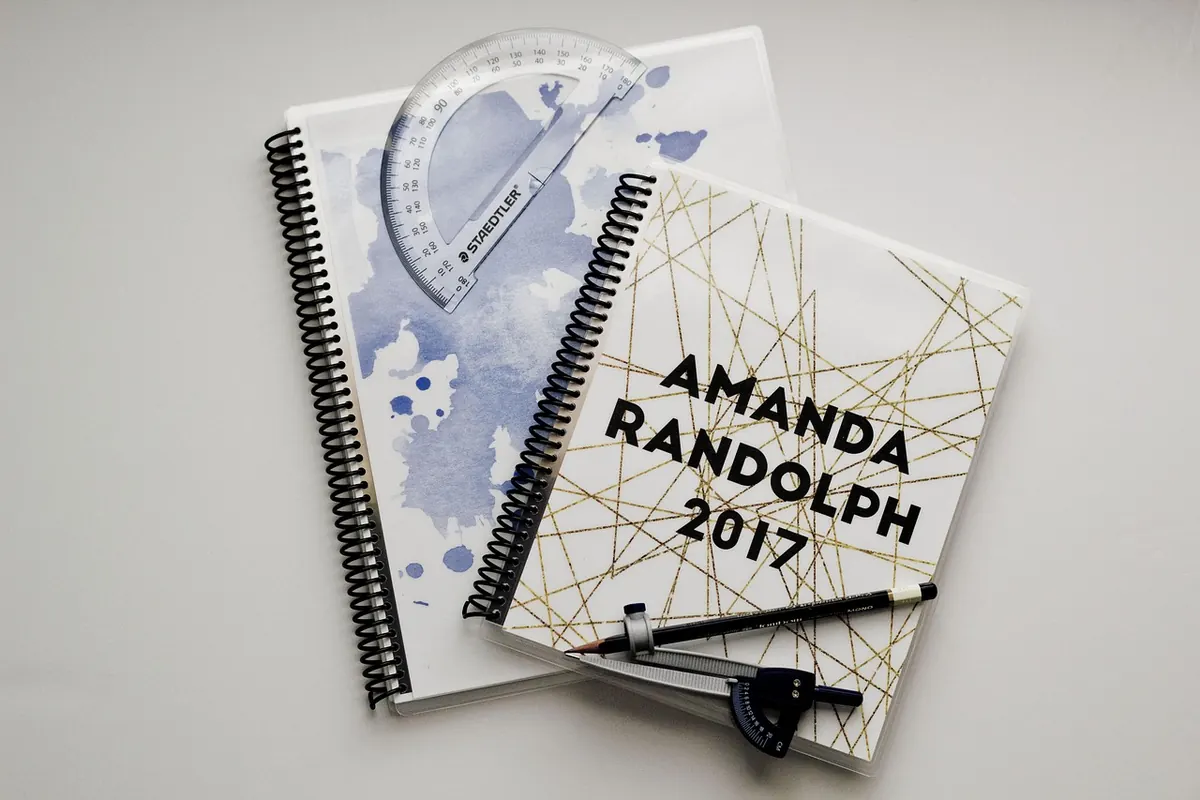
- A 30cm ruler that fits your case without jamming the zip
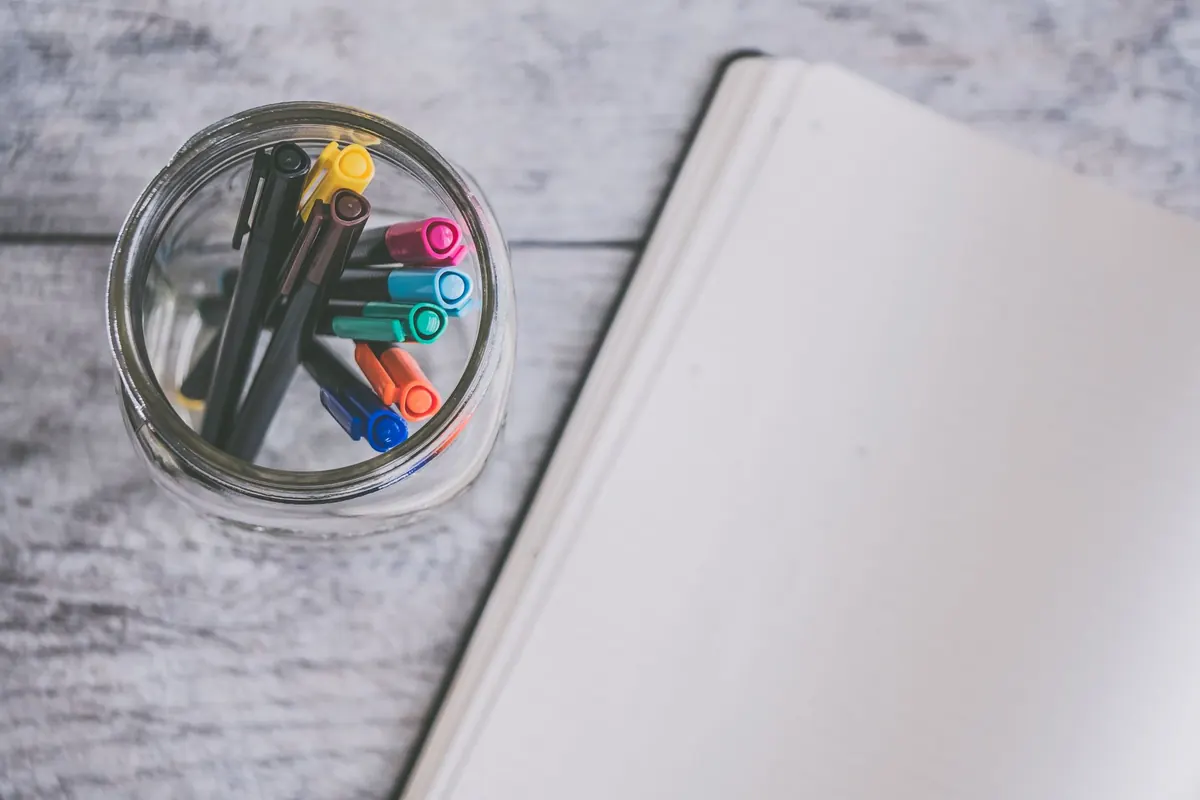
- Two highlighters in different colours — one for key terms, one for anything you still need to check
- A black fineliner for diagrams, graphs and labels
- A glue stick or a small roll of tape
- A calculator, if your school specifies a particular model
- One A4 refill pad, punched, plus a few plastic punched pockets
Write your name on the calculator, the case and the ruler. Lost property boxes at the end of term are a graveyard of unlabelled geometry sets, and replacing a specified calculator mid-year is an expense nobody enjoys.
Pens: match the tool to the job
Most students need pens for three different jobs: writing quickly in a lesson, writing neatly for something that will be marked, and annotating printed material. One pen rarely does all three well, but two usually will.
Ballpoints and gels
A ballpoint is the dependable choice for fast note-taking, particularly if you write on both sides of thin paper. Gel pens feel smoother and produce a darker line, which is easier to read back, but they run out faster and can smudge if you are left-handed. Buy refills rather than new pens where you can; a comfortable barrel is worth keeping.
Fountain pens
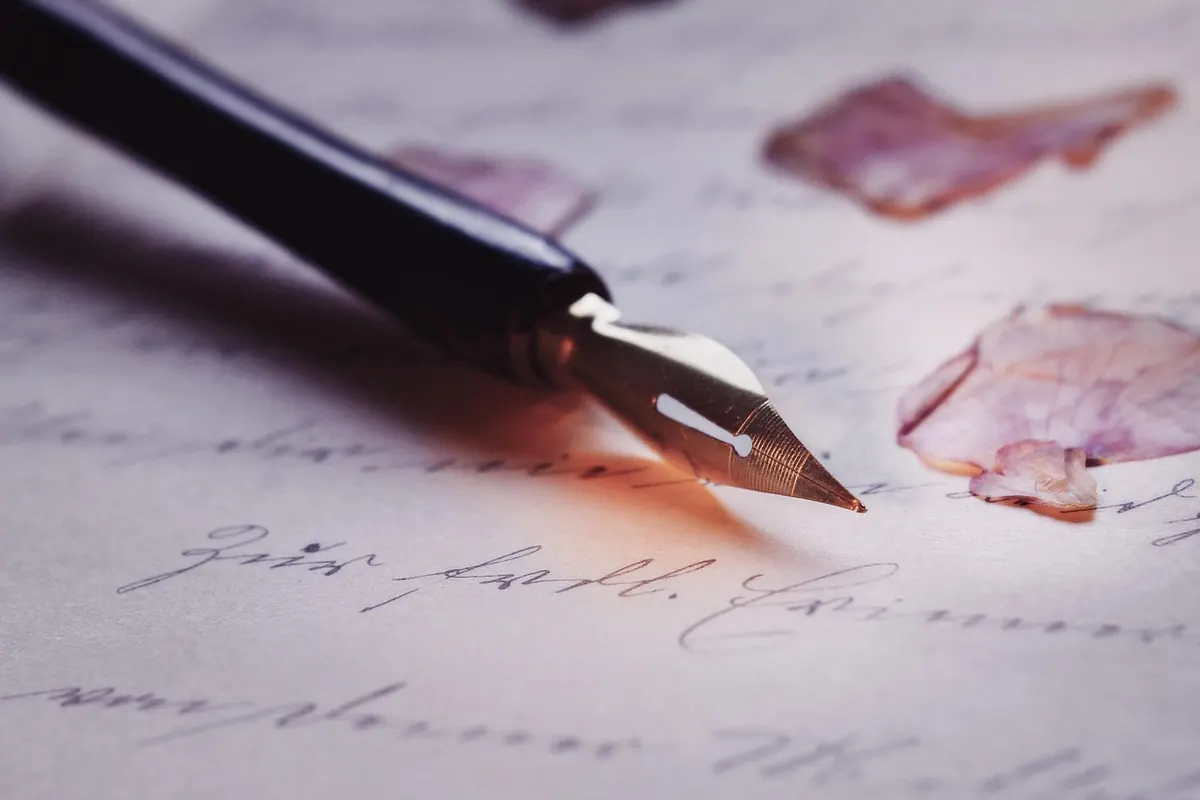
A fountain pen encourages slower, clearer handwriting and is genuinely pleasant for essays and revision notes. For school use, a fine or medium nib with a cartridge system is the simplest option — no bottles to spill, no fuss in a busy classroom. If the pen dries out between lessons, a quick dip in water and a gentle wipe usually revives it. Never force a nib; if it feels scratchy, check the tines are aligned before pressing harder.
Fineliners and highlighters
Fineliners earn their place for science diagrams, geography maps and anything where the line needs to be visible. Highlighters are best used sparingly: three colours maximum, with a rule you stick to. If everything is highlighted, nothing is.
Paper: exercise books, refill pads and ring binders
Many schools specify exercise books by colour or size, so check the list before buying. Beyond that, a refill pad and a ring binder give you the flexibility that exercise books do not: you can reorder notes, add handouts and revise from a single file per subject.
- Ring binder or lever arch file: one per subject is generous. Two or three, rotated as you fill them, is usually enough.
- Punched pockets: buy more than you think you need. They protect handouts and stop pages tearing at the holes.
- Dividers: one set per file, labelled by topic rather than by week.
- Squared paper: essential for maths, useful for graphs and diagrams elsewhere.
What to check before you buy
Paper weight matters more than cover design. Very thin pads allow ink to show through, which makes notes hard to read and encourages wasted pages. Look for paper described as suitable for ink, and buy one pad first to test it before committing to a stack. For university, A4 is almost always the right size; A5 notebooks are handy for seminars and reading notes but too cramped for lectures.
Inks: cartridges, converters and a few rules
Cartridge pens keep things simple. Standard international short cartridges fit most school fountain pens, while brands such as Lamy and Parker use their own fittings, so buy the right type. A converter lets you use bottled ink, which is cheaper per millilitre and comes in far more colours; it does, however, mean carrying ink with you and accepting the occasional inky finger. If you want a particular colour for revision, bottled ink is usually the only way to get it.
Two rules worth remembering: never put India ink in a fountain pen, as it will clog the feed, and treat waterproof or pigment-based inks with care, since they are harder to flush out and can dry in the nib if the pen is left unused. Keep a spare cartridge in your case and rinse the pen with cool water every few weeks.
Subject-specific additions
Most of the kit is shared, but a few subjects need their own extras.
- Maths: geometry set, scientific calculator, spare batteries, squared paper
- Sciences: fineliners, a lab coat or apron if required, and paper for rough calculations
- Art and design technology: pencils in a range of grades, a decent eraser, a sketchbook in the specified size
- Geography and history: coloured pencils for maps and timelines, plus a small stapler
- Music: a folder for sheet music, and a pencil that lives in it permanently
College and university
The kit thins out at this stage. A laptop or tablet, one notebook per module, a sturdy folder for handouts and a reliable pen will carry you through most of a term. Lecturers rarely dictate notes, so leave wider margins than you think you need; you will fill them later when you revisit the reading.
Building the kit in two stages
Buy the day-one list now, plus whatever your school or college specifically requires. Then wait. After the first full week, you will know whether you need more refill pads, a second binder, coloured pens for a particular subject, or nothing at all. That short delay saves money and prevents the drawer full of unused stationery that appears in every household each September.
Spend where you touch things daily. A pen you enjoy writing with and a pad whose paper behaves will do more for your notes than a large, cheap collection. Keep a small pouch in your bag with two spare cartridges, a pencil and a rubber, and replenish it once a fortnight rather than discovering the shortage mid-lesson. Check the school's own list before you shop, keep the receipt for anything specialist in case the specification changes, and label every item that could plausibly walk off on its own.
Photo: rayedigitaldesigns / Pixabay